Is it just me, or has elementary music concert planning moved in and taken up residence in your brain? If your concert is in December, I’m guessing it has!
Concerts are exciting, especially for the kids, and they offer a wonderful opportunity to share what we do in the music room. But they can also take on a life of their own. Managing expectations from colleagues, administrators, parents, and students about what a performance should look like requires a lot of thought.
What if concerts reflected what you do in the music room? Process over performance? Probably a little later than sooner, I realized that I didn’t need to reinvent the wheel just because a performance was coming up. I could draw from the the things we’d explored throughout the year and manipulate, mold, and reconstruct them for a performance.
For years, my mantra has been: there is beauty in simplicity. Take something your lower elementary students are already doing in the music room, perhaps a simple 16-beat song. How can you develop it into a piece for the stage? An introduction, a variation, a contrasting section (perhaps incorporating spoken stanzas from a related poem), a movement component, and a pleasing ending can transform a simple classroom activity into a complete musical experience. The goal isn’t to make the music more complicated, but to recognize its potential and grow something meaningful and authentic from that small musical seed.
I’m not a big fan of concerts that run like a talent show (nothing wrong with talent shows! It’s just a different format), with nothing weaving one song or piece to the next. You could use story books, storylines, and themes. Some of my favorite concerts have been our own renditions of a classical music pieces, like ballets such as, Stravinsky’s The Firebird, Whipped Cream, by Strauss, or pieces like Carnival of the Animals.
This is where everyone’s colorful imaginations can shine.
I can’t encourage you enough to include your students in your elementary music concert planning. Present a framework, then invite them to help color it in through guided discussions. What connects these songs? What images or ideas come to mind when we hear this music? What might the audience see, hear, or feel?
Some of the most rewarding work happens when we steer the conversation, offering just enough structure to help children discover possibilities without supplying every answer ourselves. We bring the musical knowledge, artistic direction, and bigger picture; they bring their observations, imaginations, and ideas. Together, we shape something that belongs to all of us.
Children know beauty when they see and hear it, and better yet, when they’re involved in creating it. When they recognize their ideas in the finished performance, they’re invested in what they’re sharing, not simply in getting their part right. That sense of ownership is an essential ingredient in an authentic performance.
I know, A LOT goes into elementary music concert planning! But you can build a meaningful concert around your existing curriculum, keeping good teaching and learning intact while wrapping it in a colorful bow of artistic integrity. It doesn’t have to mean more bells and whistles. Thoughtful musical choices, beautiful material, and children who have helped bring it all to life can be more than enough.
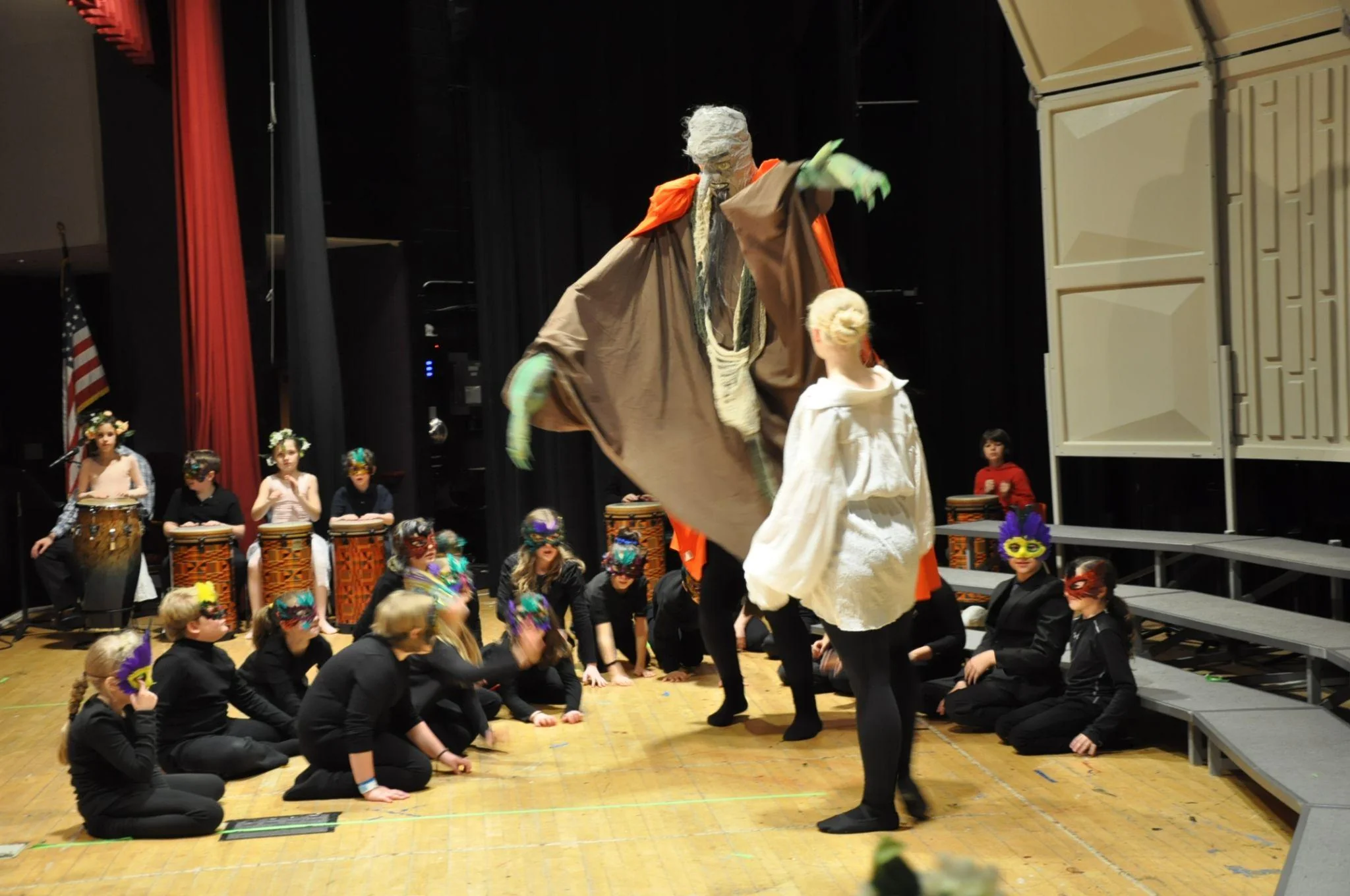
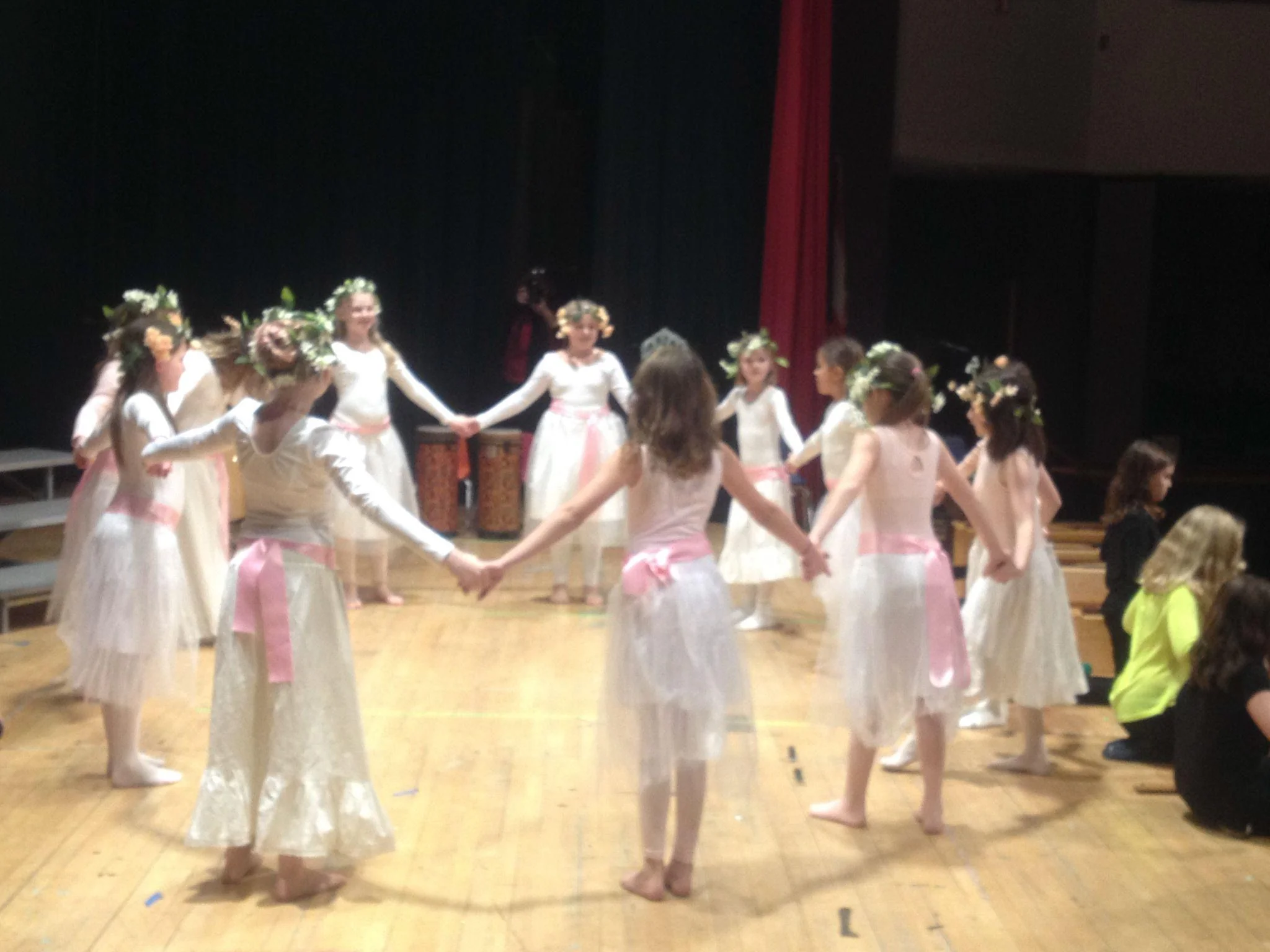
OK, truth be known, right there is the balancing act. That is, how do I balance their big beautiful imaginations with sound pedagogy and the reality of the logistics? Well, sometimes I fell off that wagon did things like build 9-foot tall puppets, invite semi-professional ballerinas, and fog machines, but it was all worth the fun and buyin from everyone.
More on logistics and some ideas from concerts I’ve done in Concerts, Part II, where I’ll share ways to weave your songs and pieces into a beautiful theme!