
Sonor Orff at Music Is Elementary
Shop Sonor Orff by instrument
German-made xylophones, metallophones, glockenspiels and timpani, each in their own voices. Pick an instrument to see every Sonor model, grouped by line and bar type, and add it to your cart right here.
Buy 3 SMART Series instruments, get a 4th free
Qualifying purchases August 3 to December 18, 2026. Limit 3 free per school; redeem with Sonor by January 18, 2027.
Xylophones
Rosewood, Palisono, Pao Rosa, hardwood or fiberglass bars. Clear and articulate.
Metallophones
Metal bars. Warm, ringing and sustained.
Glockenspiels
Small steel bars. Bright and bell-like.
Foundation & packages
Deep bass tones and complete classroom sets.
High quality Orff instruments are a great way to bring melodic concepts to life in your music classroom. They are valuable when accompanying singers, but even more so when students are composing and improvising.
 Roger SamsCo-author ofPurposeful Pathways
Timpani & percussion
Primary Line timpani and small percussion.
Mallets, stands & parts
Matched mallets, color-coded Kindermallets, stands and the parts that keep instruments playing.
Our own lines
Shop by line
Sonor lines for every music room
Each line has its own sound, size and price range.
Best for: programs investing in Sonor's top line
- Rosewood or Palisono xylophones
- Chromatic add-ons for xylophones and metallophones
- Stainless-steel and chromatic glockenspiels
Best for: growing programs that will add on
- FSC-certified Pao Rosa xylophone bars
- Chromatic add-ons for every xylophone and metallophone
- Timpani, castanets and finger cymbals
Best for: a full ensemble on a tight budget
- Diatonic only
- Hardwood or fiberglass xylophone bars
- Xylophones, metallophones and glockenspiels
Best for: small rooms and teachers on the move
- Lightweight, with a big sound from a compact resonator box
- Palisono or Pao Rosa xylophones; metallophones
- Trolley stand adapter available
Easy ordering for schools and organizations
- Purchase orders welcomeAccepted from schools and other institutions
- Tax-exempt orderingUpload your tax-exempt certificate
- Quotes for your budgetQuotes are valid for 90 days
- Talk to a real person1-800-888-7502

From the archive
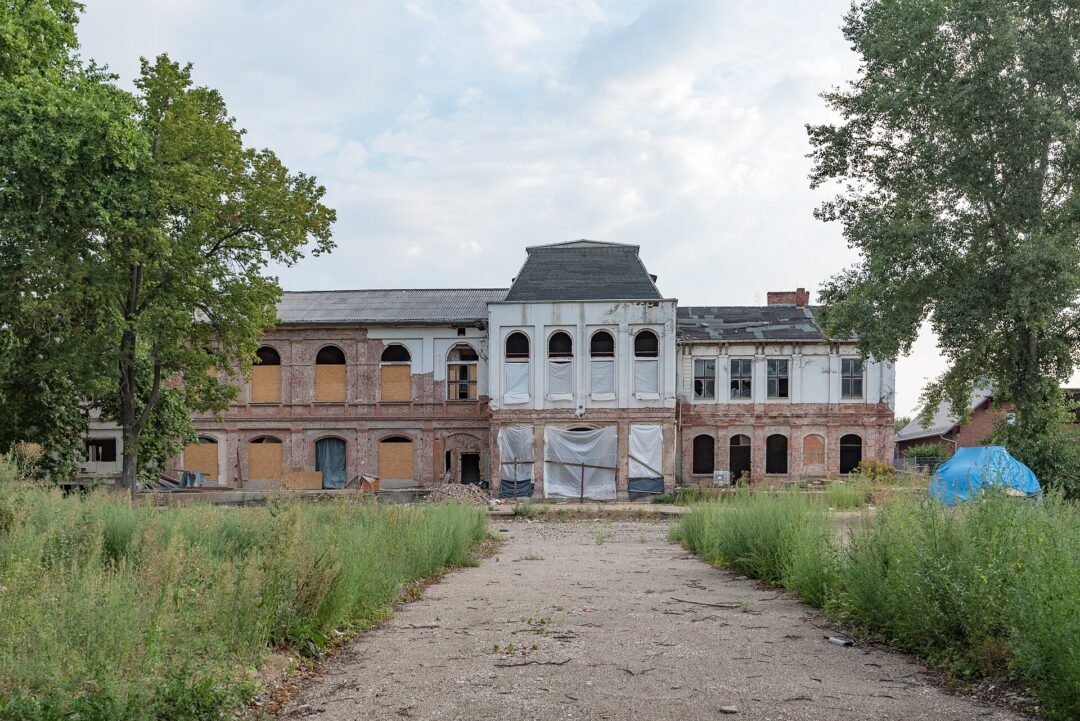
Sonor's first home on the Saale
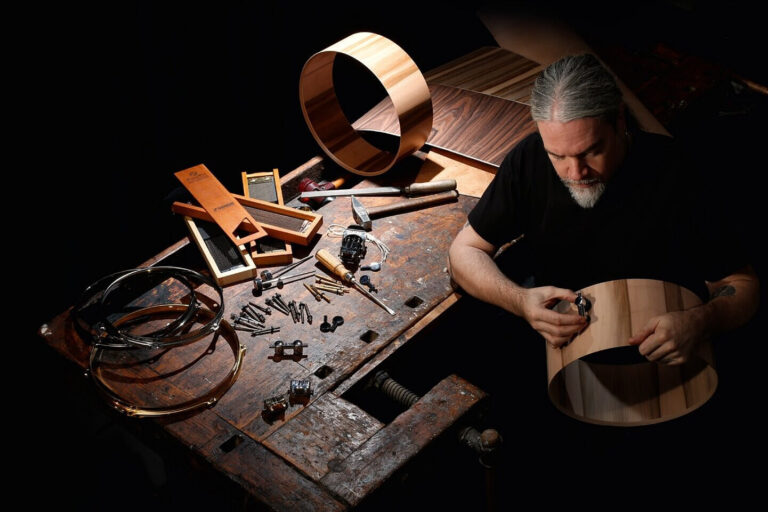
Long before Bad Berleburg, Sonor was a Weißenfels company. Johannes Link, a wood turner and tanner, opened a small workshop there in 1875, making drumheads and simple military drums.
In 1920 the company moved into a grand building on the river Saale, first built in 1824 as a bathhouse, and made drums, cymbals, xylophones and triangles there. After the Second World War the factory was taken into state ownership, and the Link family rebuilt Sonor in Aue, Westphalia, where it is still made today.
Why Sonor
Why teachers choose Sonor

The Orff connection
Built for the Schulwerk
Carl Orff and Gunild Keetman developed Orff-Schulwerk in the late 1940s, and Bavarian radio broadcasts carried it into schools. As demand for the instruments grew, Sonor added Orff instruments to its range in 1953.
The connection runs through the instruments themselves. The school timpani Orff designed, with a wooden shell open at the bottom, has been part of the Sonor Orff program since the 1950s. Sonor credits its family owners with developing the Palisono bar and inventing chime bars.
1875Sonor founded in Weißenfels, Germany
1953Orff instruments added to the range
2 yrsUS limited warranty through KHS America
Bars that hold their tuning
- Palisono bars resist humidity
- They stay in tune through the school year
Certified woods
- Sonor says it was the first maker to build Orff instruments from certified woods
- Primary Line bars are FSC-certified Pao Rosa
Grows with your program
- Chromatic add-ons on Meisterklasse and Primary Line
- Add the sharps and flats when you're ready
A line for every room
- Full Meisterklasse sets for a dedicated music room
- Lightweight SMART Series instruments that travel

Kindermallets
Color-coded mallets for every bar in the room
Kindermallets are built for classroom players: a durable fiberglass shaft, a rubberized grip, and heads color-coded by hardness, so it's easy to see which pair is which.
- Fiberglass shafts
- Rubberized grips
- Sold in pairs
- Packages of 6, 8 or 12
 Yellow = soft
Yarn (soft), recommended for alto xylophones.
 Blue = medium
Yarn (medium), for soprano and alto xylophones.
 Red = hard
Yarn (hard), recommended for soprano xylophones.

Metallophone Mallets, Cord
Cord-wrapped heads for soprano and alto metallophones.

Felt Ball Mallets
Felt ball heads for xylophones, metallophones or accessory percussion.

Bass Xylophone Mallets, Yarn
Larger yarn heads sized for bass xylophones.

Glockenspiel Mallets
Hard plastic heads for soprano glockenspiels; soft and medium too.
Outfitting a whole room? Kinder Mallet Packages A, B and C bundle 6, 8 or 12 mallets for glockenspiels, xylophones and metallophones.
Bar materials & mallets
How each bar sounds and what to play it with
The bar material shapes the sound, and the mallet finishes it. Pick a bar to hear it and see the Sonor mallets and Kindermallets that fit, with item numbers for easy ordering.
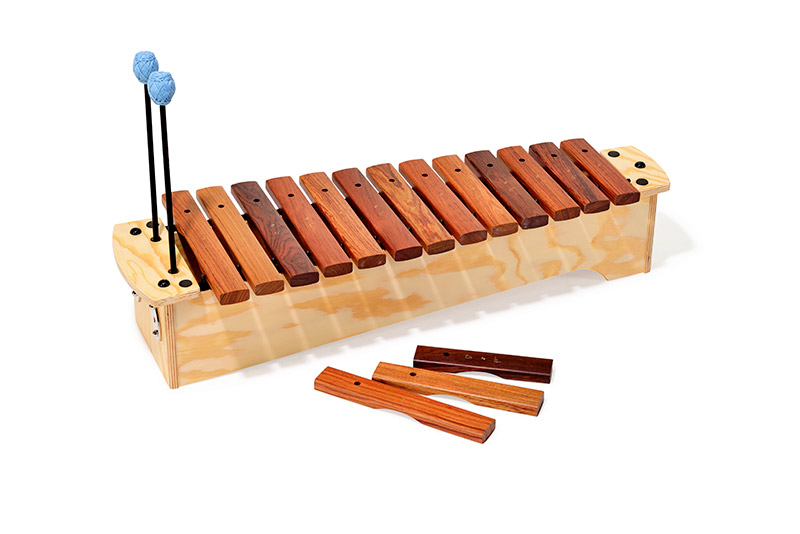
Rosewood Xylophones · Meisterklasse
Warm, clear and short, so rhythms stay clean. Rosewood is the classic Orff xylophone sound, and it changes color with the mallet, from mellow with soft yarn to bright with a harder head.
Best mallets: Yarn or felt: soft for bass, medium for alto, harder for soprano. Rubber when you want more cut-through.

Palisono Xylophones · Meisterklasse, SMART Series
Sonor's own fiberglass bar, made to sound like rosewood. It resists humidity and holds its tuning through the school year.
Best mallets: The same yarn and felt choices as rosewood, matched to the voice.

Pao Rosa Xylophones · Primary Line, SMART Series
A veined African hardwood, FSC certified, with a warm wooden tone that sits close to rosewood.
Best mallets: Yarn or felt, softer for the lower voices.
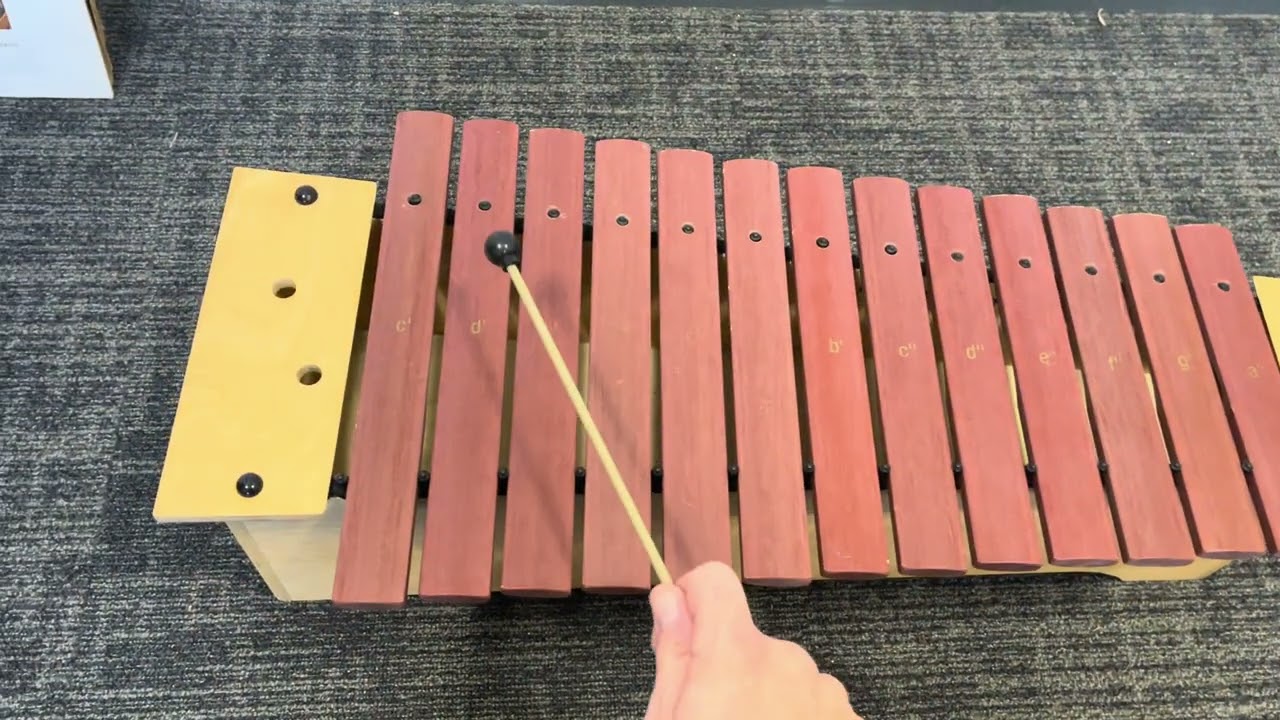
Hardwood & fiberglass Xylophones · Global Beat
Hardwood for a classic wood tone; fiberglass for durability. Both give a full ensemble sound at Sonor's most approachable price.
Best mallets: Yarn or felt matched to the voice.
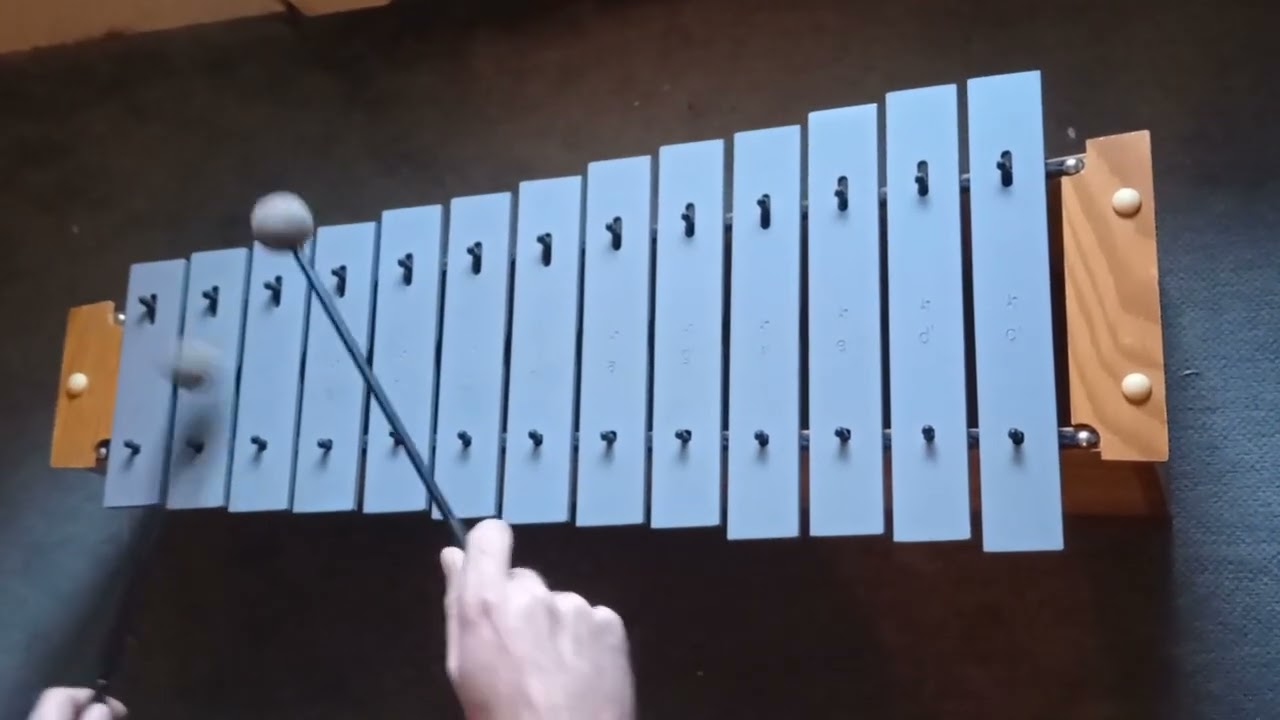


Metal Metallophones & glockenspiels · all lines
Metallophones ring warm with a long sustain, ideal for long tones and drones. Steel glockenspiels are bright and bell-like at the very top of the texture.
Best mallets: Cord, felt or soft yarn for metallophones; small, hard heads for glockenspiels.
Pick a bar to hear it
Each one changes the video and the mallets below it.
Rosewood, Palisono, Pao Rosa and metallophone bars sound best with yarn, felt or rubber heads.
Yarn · Felt · RubberGlockenspiels need hard plastic or metal heads to ring. Keep these off wood bars, where they can dent the bar.
Hard plastic · MetalBuying guide
Orff instrument buying guide
A practical guide for planning a first Sonor set, adding to one, or making the case to an administrator.
Soprano, alto and bass
Barred instruments come in voices, like a choir. Bigger bars sound lower. Hover or tap each one to hear it.
Soprano
Highest pitch, smallest bars
Melodies, bright ostinati and color
Alto
Middle range
Ostinati, melody and harmony
Bass
Lowest pitch, largest bars
Borduns and ground patterns that anchor the piece
Bass bars
Single resonator bars below the bass
Single-tone bars for deep foundation tones
Choosing for different grade levels
The same instruments grow with your students. What changes is how you set them up.
Younger students
- Take off the F and B bars for a pentatonic setup where every note sounds good together.
- Start with alto xylophones and one bass for a simple, full sound.
- Use stands so instruments sit at the right height.
Older students
- Add F♯ and B♭ bars to play in more keys and modes.
- Chromatic add-ons (Meisterklasse, Primary Line) open up more repertoire.
- More voices (soprano, metallophone, glockenspiel) support independent parts.
Building an Orff instrumentarium
You don't have to buy it all at once. One way to plan it in stages:
- Start with the coreAlto xylophones plus at least one bass give you melody, ostinato and bordun.
- Add the top of the textureSoprano xylophones and glockenspiels widen the range and add color.
- Add sustainMetallophones bring a warm, ringing layer.
- Fill out the foundationBass bars, timpani and unpitched percussion complete the ensemble.
Planning classroom quantities
There's no single right number. These questions get you to yours.
- How big is your largest class?Plan for the class that stretches your room the most.
- How many students play at once?Whole-class playing needs more instruments than station rotations.
- Which voices do you need?Balance soprano, alto and bass so every part can be heard.
- What can you add later?A package now plus add-ons next year can fit a tight budget.
Sonor or Studio 49?
Both are made in Germany for Orff Schulwerk, both offer lines from a first classroom set to a flagship, and their prices sit in the same range at every level. Choosing usually comes down to the details.
Both brands
- Made in Germany for Orff Schulwerk
- Lines from a first classroom set to a flagship
- Similar prices at every level
- Contrabass bars
- Bars tuned by hand
- 2-year US warranty
Sonor
- Palisono, Sonor's own fiberglass bar
- Any Sonor line can be mixed with another
Studio 49
- Grillodur, Studio 49's own fiberglass bar
- Series 500 Easycussion, built for early childhood
Want a second set of eyes on your plan? Send us your class sizes and budget, and we'll suggest a mix of Sonor instruments.
Sonor replacement parts
Sonor replacement parts
Keep your classroom instruments in excellent playing condition with Sonor replacement parts from Music Is Elementary. Whether you need replacement bars or other instrument components, we can help you find the parts needed to maintain your Orff instrumentarium.
- Single replacement bars
- Bass bars
- Pins & bar holders
- Rubber tubing
- Mallets
- Stand parts
We stock common parts. Bars and special-order parts come from Sonor through KHS America, its US distributor.
How it works
- Send a requestTell us the instrument and the part, with a photo of the whole instrument and a close-up of the part.
- We confirm the partOur team matches it, checking with the manufacturer when needed.
- Approve your quoteWe send a quote, and your order is placed only after you approve it.
Resource Center
Resources for your Orff music classroom
Guides, lessons and arrangements for barred instruments, from our Resource Center and our friends at Teaching With Orff.

By Jennifer Shaw, Educator & Consultant at Music Is Elementary
Introduction to Building Your Classroom Instrumentarium
What an instrumentarium is, and how to start building one for your room.
Read MIE Resource CenterBuilding Your Classroom Instrumentarium: Barred Instruments
Planning a balanced set of xylophones, metallophones and glockenspiels.
Read MIE Resource CenterBuilding Your Classroom Instrumentarium: Mallets for Barred Instruments
Which yarn, felt and rubber mallets to use on each instrument.
Read MIE Resource CenterMallet Technique
How students hold and strike with mallets, and why it changes the sound.
Read MIE Resource CenterEarly Elementary Barred Instrument Lesson: Exploring Sound with Frog and Toad
A first barred-instrument lesson for young players.
Read Teaching WithOrffTypes of Borduns in Elementary General Music
Victoria Boler defines borduns, walks through four types, and gives guidelines for writing your own.
Read Teaching WithOrffLesson: Jabari Jumps
A picture-book lesson exploring high and low on the xylophone and practicing mallet technique.
Read Teaching WithOrffDuetto for Glockenspiels
A glockenspiel piece from Cyndee Giebler.
Read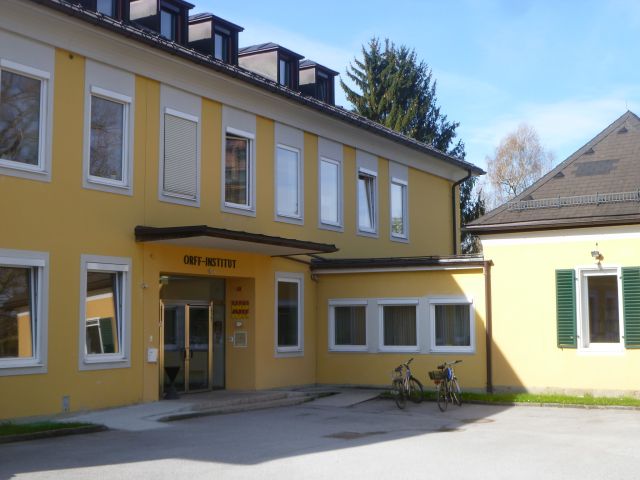



From the archive
The Orff Institute opens, Salzburg 1963
Carl Orff founded the Orff Institute at the Mozarteum in Salzburg in 1961, to train teachers in elemental music and dance. Two years later it moved into a building of its own, opened in October 1963 with Orff in attendance.
Summer courses have run there every year since 1961, taught in the early years by Orff and Gunild Keetman. In 2013 the institute renamed its former theater hall the Gunild Keetman Hall, honoring the teacher and composer who shaped the Schulwerk alongside Orff.
Beyond barred instruments
Round out your Orff classroom
The instruments are the start. These are the books, recorders and percussion that fill out an Orff program.
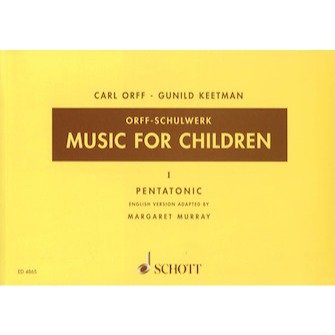
Orff-Schulwerk Texts
The core Schulwerk volumes and teacher texts.
Shop now
Purposeful Pathways
Orff-based lesson books co-written by Roger Sams.
Shop now
MIE205 Recorders
Our own two-piece soprano recorder, in classroom colors.
Shop now
Small Percussion
Tambourines, maracas, guiros, cymbals and wood blocks.
Shop now
World Drums
Djembes, congas and bongos for ensemble and rhythm parts.
Shop now
Hand Drums
Hand, frame and buffalo drums for steady beat and movement.
Shop now
Rhythm Band Sets
Ready-made classroom sets of drums and hand percussion.
Shop now
Song & Repertoire
Songbooks and collections to play on your new instruments.
Shop now
Movement & Dance
Books and resources for moving to music.
Shop nowQuick answers
Which Sonor line is right for my classroom?
Meisterklasse is Sonor's top line, with rosewood or Palisono xylophones. Primary Line builds a quality set you can expand with chromatic add-ons. Global Beat is a diatonic starter ensemble. The SMART Series is lightweight and stackable. Compare the lines.
Rosewood, Palisono or Pao Rosa: what's the difference?
Rosewood sounds warm, clear and short. Palisono is a high-density fiberglass bar that resists humidity and holds its tuning. Pao Rosa is an FSC-certified African hardwood used on Primary Line xylophones. See bar materials.
Which mallets should I use with each instrument?
Use yarn or felt on xylophones and metallophones, softer for bass and harder for soprano, and small hard heads on glockenspiels. Never use a mallet harder than the bar. Match mallets to bars.
Do I need soprano, alto and bass instruments?
Most classrooms start with alto xylophones plus at least one bass, which covers melody, ostinato and bordun. Add soprano xylophones and glockenspiels for the top of the texture, then metallophones for sustain. Read the buying guide.
Should I choose Sonor or Studio 49?
Both are German-made for Orff Schulwerk and priced close together. Sonor offers Palisono bars, extended-range tenor-alto instruments and the stackable SMART Series; Studio 49 offers hand-tuned bars, Grillodur and Easycussion. Compare them side by side.
Does the SMART Series offer apply to orders from MIE?
[CONFIRM WITH KHS] The offer covers purchases from authorized US Sonor Orff dealers between August 3 and December 18, 2026. Submit your receipt to Sonor by January 18, 2027.
Can I get replacement parts for Sonor instruments?
Yes. Send us a parts request with photos, and we'll match the part and send a quote before ordering. Request a replacement part.
Do you accept purchase orders?
Yes. We accept purchase orders from schools and other institutions, support tax-exempt ordering, and prepare quotes that are valid for 90 days. Contact our team.
Let's build it together
Your Sonor classroom starts here
Whether you're starting a new music program, expanding your instrument collection, or replacing classroom instruments, Music Is Elementary is here to help.